KPV Tripeptide: Alpha-MSH Derivative, NF-κB Pathway Downregulation & Mucosal Healing
“KPV (Lys-Pro-Val) is a C-terminal tripeptide fragment of alpha-melanocyte-stimulating hormone (alpha-MSH) that enters cells via the PepT1 transporter, directly downregulating NF-kappaB nuclear translocation, reducing pro-inflammatory cytokine secretion, and restoring mucosal barrier integrity.”
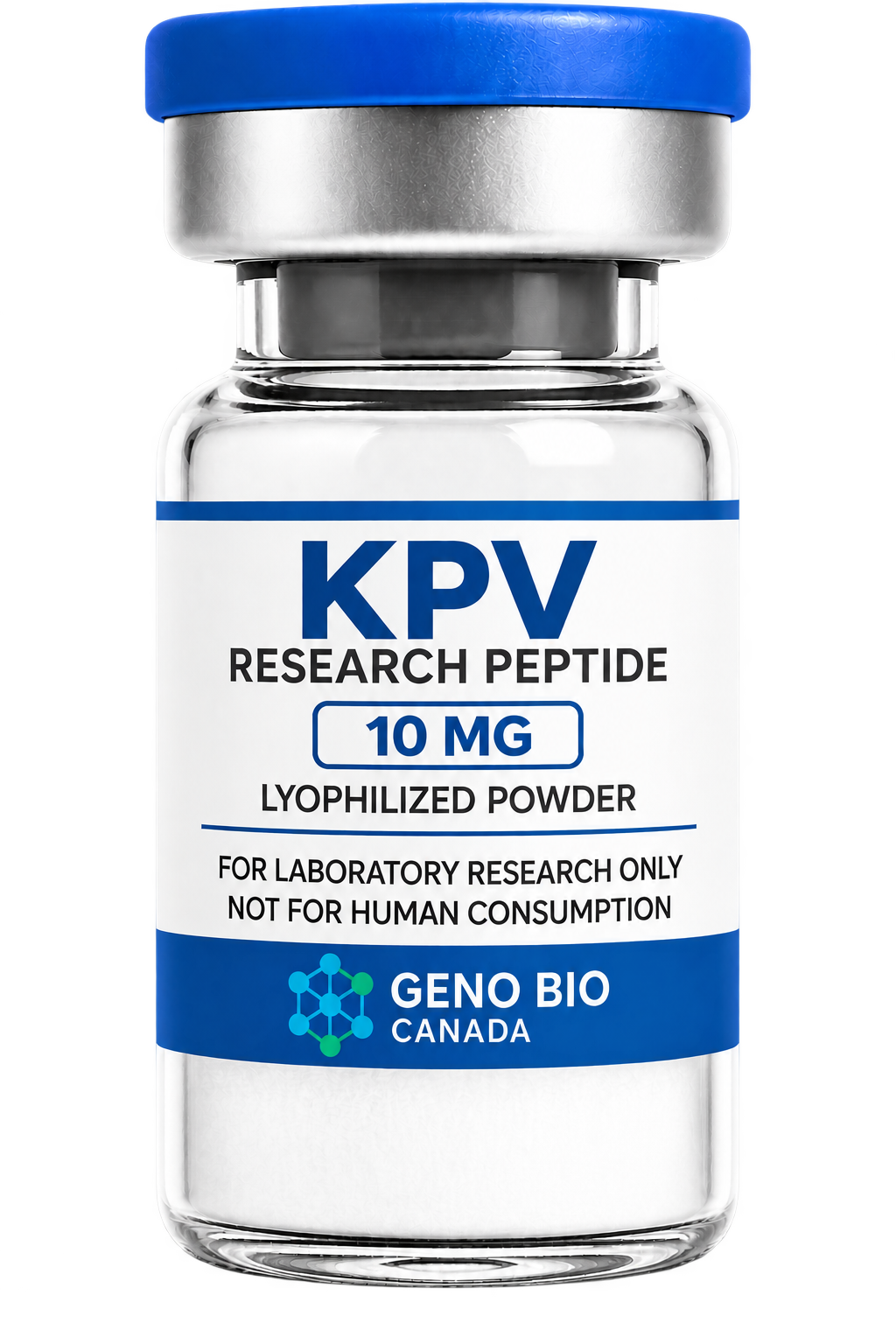
Legal & Laboratory Compliance Notice
FOR IN-VITRO LABORATORY RESEARCH ONLY: This scientific publication is provided strictly for academic and biochemical reference by certified researchers. Materials and compounds referenced are NOT for human consumption, veterinary use, drug manufacture, or direct clinical administration. Statements have not been evaluated by Health Canada or the FDA.
Scientific Research Overview
Abstract & Executive Summary
Alpha-Melanocyte-Stimulating Hormone (alpha-MSH) is a classical 13-amino-acid neuro-immunomodulatory peptide. However, full-length alpha-MSH activates melanocortin 1 receptors (MC1R) on melanocytes, inducing systemic cutaneous pigmentation (tanning). Structure-activity relationship studies demonstrated that the C-terminal tripeptide fragment of alpha-MSH, Lys-Pro-Val (KPV), retains the full anti-inflammatory and cytoprotective potency of the parent hormone while completely lacking melanotropic pigment-stimulating properties.
KPV (molecular weight 383.5 g/mol) is actively transported into epithelial cells, macrophages, and neutrophils via the human Oligopeptide Transporter 1 (hPepT1). In healthy states, PepT1 is expressed primarily in the small intestine; however, during inflammatory conditions (such as Inflammatory Bowel Disease, Colitis, or Dermatitis), PepT1 expression is heavily upregulated in the colon and epidermal layers, providing an automatic targeting mechanism for KPV.
+----------------------------------------------------------------------------------------------------+
|                                        KPV MOLECULAR CASCADE                                       |
+------------------------------------+----------------------------------+-----------------------------+
| PepT1 Transporter Uptake           | NF-κB Nuclear Blockade           | Mucosal Epithelial Restitution|
| - Upregulated in inflamed tissue   | - Inhibits IκBα phosphorylation  | - Reassembles ZO-1/Occludin |
| - Direct intracellular delivery    | - Prevents p65/p50 translocation | - Reduces leukocyte influx  |
| - Bypasses surface receptors       | - Downregulates IL-1β, IL-6, TNF | - Broad candidacidal action |
+------------------------------------+----------------------------------+-----------------------------+
Chemical Structure & Molecular Specifications
Lys-Pro-ValKPVMechanism of Action
KPV exerts potent anti-inflammatory and epithelial healing activity via direct intracellular signaling:
1. PepT1-Mediated Active Cellular Internalization
Unlike larger peptides that must bind cell-surface GPCRs to trigger secondary messengers:
2. Inhibition of IκBα Degradation & NF-κB Inactivation
The master transcription factor Nuclear Factor Kappa B (NF-κB) orchestrates inflammatory cascades:
3. Downregulation of Pro-Inflammatory Cytokines & Chemokines
With NF-κB locked out of the nucleus:
4. Epithelial Barrier Restitution & Antimicrobial Defense
KPV directly promotes mucosal healing:
Direct in-vitro assays reveal that KPV exerts antimicrobial and candidacidal activity, disrupting cell wall integrity in Candida albicans and Staphylococcus aureus* without toxicity to host mammalian cells.
Key Study Highlights
PepT1 Transporter Mediated
Rapidly internalized via proton-coupled oligopeptide transporter 1, upregulated in inflammation.
NF-κB Nuclear Blockade
Inhibits IκBα degradation, blocking p65/p50 translocation and suppressing TNF-alpha/IL-6.
Non-Melanotropic Safety
Lacks pigmentary side effects associated with full-length alpha-MSH.
Mucosal Restitution & Tight Junctions
Restores ZO-1 and occludin tight junctions, accelerating mucosal barrier repair.
Scientific FAQs
References
- Kannengiesser K. et al (2008).Anti-inflammatory activities of alpha-MSH (11-13) peptide, KPV, in a mouse model of IBDInflamm Bowel Dis, 14(3):324-331
- Dalmasso G. et al (2008).PepT1-mediated tripeptide KPV transport and anti-inflammatory action in intestinal epithelial cellsGastroenterology, 134(1):166-178
- Brzoska T. et al (2008).Alpha-MSH: Molecular mechanisms and clinical implicationsEndocr Rev, 29(5):581-609
Procure Research Reference Materials
Access laboratory-grade reference compounds with verified batch HPLC purity reports and sterility documentation.
View Compound SpecificationsLiterature Inquiries
Have questions about the pre-clinical citations or chemical parameters detailed in this research? Connect with our analytical representatives.